
OEM vs ODM in Activewear: What’s the Difference?
OEM vs ODM in Activewear: What's the Difference?
If you're planning to launch or expand your fitness apparel line, you've probably come across the terms OEM and ODM. Understanding these models is essential before choosing your manufacturing partner.
What is OEM (Original Equipment Manufacturer)?
OEM manufacturing means the supplier produces garments based on your own designs, patterns, and requirements.
Best for:
- Brands with strong design teams or unique product ideas
- Companies seeking exclusive, differentiated products
- Established brands with clear brand identity
Key characteristics:
- You control every detail: fabrics, measurements, trims, branding
- Higher customization level, but usually requires higher MOQ and longer lead time
- Complete design ownership and exclusivity
- Requires detailed technical specifications and design files
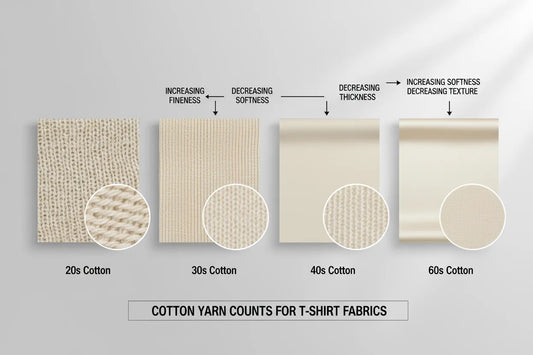
Understanding which fabrics to specify is crucial for successful OEM production.
What is ODM (Original Design Manufacturer)?
ODM manufacturing means the supplier already has existing designs or collections, which you can adapt and brand as your own.
Ideal for:
- Startups or those looking to launch quickly
- Brands testing new market segments
- Companies wanting to minimize development costs and risks
Key benefits:
- Options for light customization: logo printing, custom trims, packaging
- Faster turnaround and lower development cost compared to OEM
- Lower MOQ requirements in many cases
- Proven designs that are already production-ready
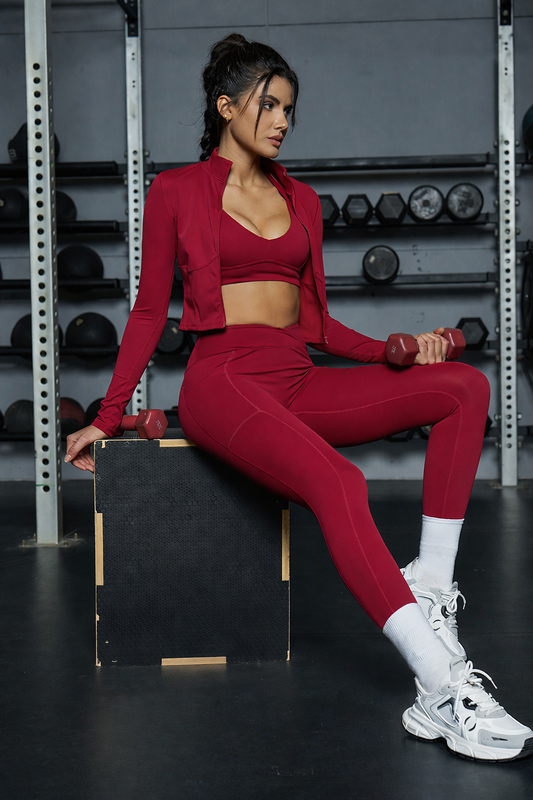
See examples of customizable ODM designs: Quick-Dry Workout Set and Women's Yoga Set.
Why Choosing the Right Model Matters
Your choice depends on your budget, timeline, and brand vision:
| Factor | OEM | ODM |
|---|---|---|
| Development Time | Longer (2-4 months) | Shorter (2-4 weeks) |
| Initial Cost | Higher (design, sampling, tooling) | Lower (existing designs) |
| MOQ | Usually higher (500-1000+ pcs) | More flexible (100-500 pcs) |
| Exclusivity | 100% unique to your brand | Shared designs (customizable) |
| Best For | Established brands, unique vision | Startups, quick market entry |
Quick decision guide:
- If you want speed and low development risk, ODM is the best choice
- If you want exclusivity and differentiation, OEM is the way forward
- Many successful brands start with ODM and transition to OEM as they grow
Other Factors to Consider
Beyond OEM/ODM, pay attention to:
- MOQ requirements: 200 pcs per color is common for efficiency, but flexible manufacturers like WutongActive can start from as low as 10 pieces per style
- Production lead time: Ability to meet deadlines and seasonal launches
- Quality checks: Inspections at every stage of manufacturing
- After-sales support: Refunds, replacements, and ongoing partnership
Learn more about the complete production journey from design to delivery.
WutongActive: Flexible OEM & ODM Solutions
At WutongActive, we understand that every brand has unique needs. That's why we offer both OEM and ODM services:
Our OEM Services:
- Full custom design and development
- Expert technical support and pattern making
- Premium fabric sourcing and testing
- Flexible MOQ starting from 10 pieces per style
Our ODM Services:
- Ready-to-customize activewear collections
- Quick turnaround (2-3 weeks for samples)
- Logo printing, custom tags, and packaging
- Lower development costs for faster market entry
Conclusion
Whether you choose OEM or ODM, your manufacturing partner determines your success. Take the time to evaluate capabilities, quality systems, and service teams before making a decision.
The right choice depends on where you are in your brand journey. Many successful activewear brands start with ODM to test the market, then transition to OEM as they establish their unique identity and scale their business.
👉 Need guidance on OEM vs ODM? Reach out today for a tailored consultation.
Previous
How to Choose the Right Activewear Manufacturer for Your Brand
Next
How to Build Your Own Clothing Brand